Professional Fence Replacement Solutions: Enhance Your Home's Security
High-quality fence replacement options are fundamental to strengthening home protection. A carefully selected fence serves the dual purpose of marking property lines and discouraging unwanted visitors. A wide range of materials provide unique benefits, addressing different requirements and tastes. When property owners explore improvements, gaining insight into the available choices and their advantages is essential. The decision-making process involves several key factors that can greatly impact both security and aesthetics. What key considerations should property owners keep in mind when picking new fencing materials?
Why Should You Invest in Quality Fence Replacement?
Opting for quality fence replacement plays a significant role in improving functionality. To illustrate, a durable fence can mark property boundaries distinctly, reducing the likelihood of disagreements with neighbors. Moreover, it can act as a noise shield, delivering calm and privacy in lively neighborhoods.
In the end, prioritizing quality over cost-effectiveness assures that homeowners secure a durable choice that endures harsh weather, pest damage, and general wear. In conclusion, a high-quality fence replacement is a worthwhile decision for homeowners who want to elevate their home's appearance and overall function.
How a Quality Fence Improves Security
A well-built fence greatly enhances the security of any property. It acts as a physical barrier that deters potential intruders and unwanted access. The design and height of the fence can greatly impact its efficiency, as fences of greater height are more difficult to scale, while styles lacking footholds additionally deter attempts to breach the perimeter.
Moreover, a expertly installed fence can establish boundary lines, preventing neighborly disputes and providing personal privacy. This sense of enclosure can generate a feeling of security for the occupants.
Moreover, select fencing options can be enhanced with security features for example secured gates, embedded alarms, and even security cameras, offering an added measure of safety.
In city environments, where risks may be higher, a durable fence functions as a vital safeguard, delivering a sense of safety and comfort. At its core, choosing to install a well-constructed fence plays a key role in establishing a protected living space for families and their belongings.
The Perks of Different Fencing Materials
Choosing the right fence material is essential, as every choice provides unique benefits tailored to various needs and preferences. Wood fences provide a classic aesthetic, supplying warmth and adaptability in design. They can be painted or stained to match home exteriors, but require regular maintenance to prevent deterioration.
Vinyl fence options, in comparison, demand little maintenance while resisting rot and pests, making them an ideal option for long-term durability. They are available in a wide range of styles and colors, allowing for customization without extensive upkeep.
Chain-link fences are cost-effective and long-lasting, great for ensuring safety while preserving visibility. They are commonly found in commercial environments and can be upgraded with privacy slats.
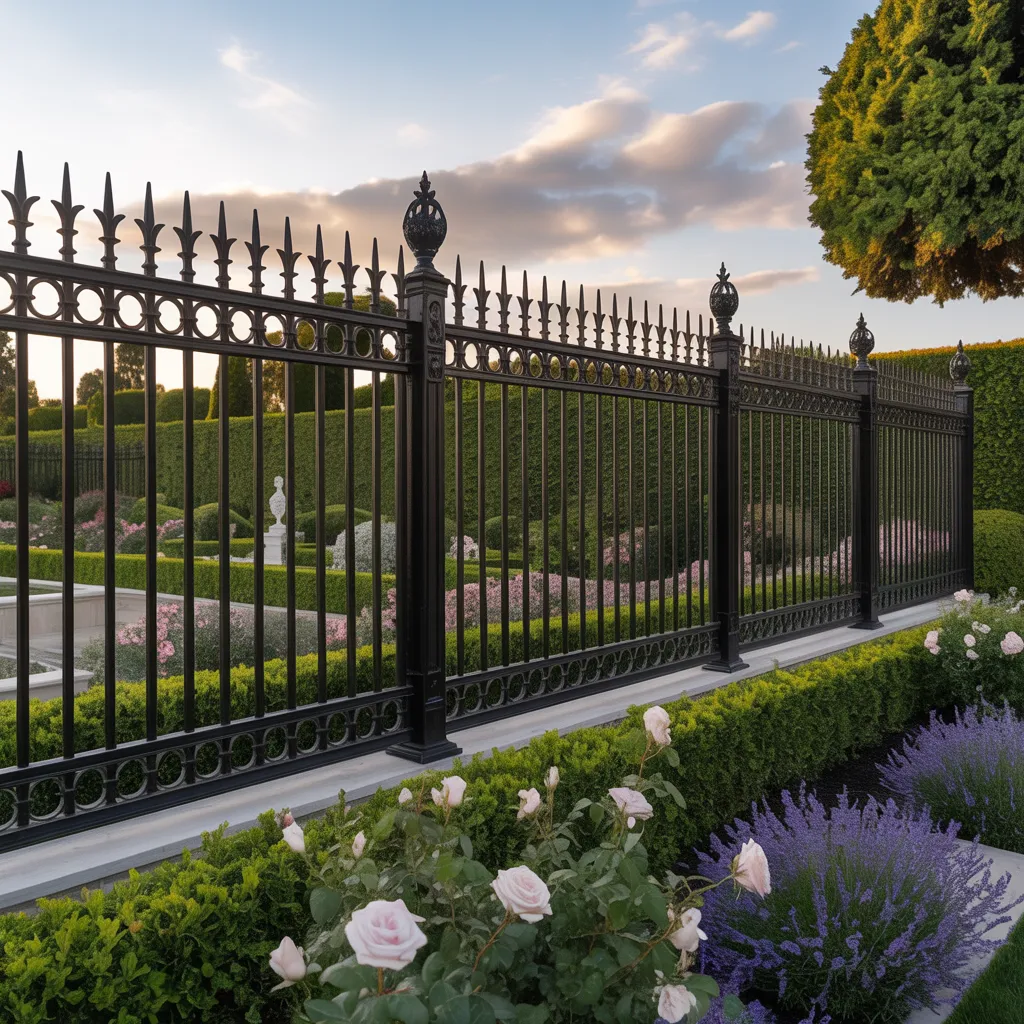
Aluminum fences blend resilience and aesthetic appeal, providing a decorative option that is rust-resistant and ideal for spaces that call for a more delicate approach. Ultimately, selecting the right material depends on budget, desired aesthetic, and maintenance commitment.
Essential Factors for Picking the Right Fence Style
Selecting the correct fence option entails considering multiple factors that align with the homeowner's needs and property specifics. First, the primary purpose of the fence plays an essential role; whether for privacy, security, or visual enhancement can considerably influence the decision. Homeowners ought to examine the established landscape and architecture of their property, ensuring the fence harmonizes with the overall design.
Regional zoning rules and neighborhood policies often enforce constraints regarding height, materials, or styles, necessitating careful review to avoid potential fines or disapproval. Maintenance requirements should not be overlooked, as various materials necessitate more frequent maintenance than others. Furthermore, environmental factors can impact longevity; for instance, waterfront properties may demand weather-resistant alternatives. Finally, budget considerations are vital, as numerous options present distinct pricing structures, affecting the complete investment in the property. Carefully evaluating these elements will enable a knowledgeable fencing selection that strengthens both usability and aesthetic value.
Why Consider Upgrading to a Modern Fence?
Why should homeowners think about switching to a modern fence? Homeowners are becoming more aware of the value that contemporary fencing solutions bring to both curb appeal and everyday function. Contemporary fencing solutions are available in a diverse range of materials, including vinyl, aluminum, and composite, all of which offer superior longevity and minimal maintenance when compared to traditional wooden alternatives. These innovative materials hold up against the elements and resist pests, guaranteeing a longer service life and significantly reduced costs for replacements.
Moreover, contemporary designs have the potential to boost property value by enhancing a home's overall aesthetic. Opting for security-focused features such as elevated heights and state-of-the-art locking mechanisms allows homeowners to reinforce their peace of mind. Furthermore, energy efficiency can also be enhanced through privacy fencing, which helps regulate outdoor temperatures. Ultimately, upgrading to a modern fence aligns with current trends in home improvement, offering an opportunity for homeowners to invest in their property while ensuring safety and style.
Maintenance Tips for Long-Lasting Fences
Keeping a fence requires focus on several key measures to guarantee its longevity. Routine checkups and immediate corrections can keep insignificant concerns from developing into larger complications, while appropriate maintenance methods work to maintain the structural quality. Furthermore, implementing weatherproofing strategies is necessary for safeguarding the fence from environmental damage.
Scheduled Inspections And Repairs
Regular inspections and timely repairs play an essential role in increasing the longevity of fences. Homeowners ought to carry out periodic assessments for evidence of damage, such as rust, decay, or loose boards. This proactive approach helps identify minor issues before they escalate into costly repairs. Additionally, inspecting the fence posts and foundation can reveal structural weaknesses that may compromise the fence's integrity. Should damage be found, tackling it without delay—whether via tightening screws, replacing boards, or applying protective sealants—can considerably boost durability. Scheduling annual professional assessments can further guarantee that any underlying problems are addressed effectively. By staying committed to routine maintenance, homeowners can secure their investment and copyright the fence's utility and aesthetic value over time.
Correct Cleaning Methods
Once confirming the fence's overall stability through assessments and maintenance, appropriate cleaning practices prove vital in preserving its look and lifespan. Consistently eliminating grime, waste, and natural buildup assists in stopping degradation. A soft brush or broom can successfully remove built-up dirt, while a combination of light soap and water serves as a gentle cleaning solution. For tougher stains, a high-pressure cleaner can be applied, but vigilance explore now is required to avoid damaging the fence material. Washing completely following cleaning is essential to eliminate any detergent buildup. Additionally, applying a protective sealant after cleaning can improve resilience. By implementing these cleaning practices, residents can considerably increase the longevity of their fencing, maintaining both performance and decorative value.
Weatherproofing Strategies For Fences
Protecting a fence from the weather is essential for maintaining its strength against environmental conditions. The application of a superior sealant or wood preservative provides protection against moisture, stopping rot and deterioration. Regular inspections are important; any signs of damage should be addressed promptly to avoid further deterioration. For metal fences, a rust-inhibiting paint can shield against corrosive weather conditions. Moreover, securing appropriate drainage around the fence perimeter will help limit contact with water. Placing a protective layer, such as gravel or mulch, can redirect water away from the base of the fence. Lastly, managing the vegetation surrounding the fence, including cutting back plants, can improve airflow and lower moisture buildup, extending its lifespan. Putting these practices into action will guarantee that fences continue to be resilient and reliable for years ahead.
How to Find the Ideal Fence Replacement Service
When looking for a fence replacement service, what key factors should one consider? First, it is important to evaluate the company's experience and reputation. Well-known providers commonly share client testimonials or references, reflecting their trustworthiness and caliber. Additionally, assessing the variety of materials and designs available can assist in aligning individual preferences with practicality and longevity.
Additionally, obtaining comprehensive estimates is vital. A clear breakdown of pricing, including labor and materials, will prevent surprise costs. Find out about service guarantees and follow-up assistance, as these can greatly influence lasting contentment.
Licensing along with insurance are both critical; they protect against liability in case of accidents during installation. Ultimately, clear and effective communication is vital. A provider that acknowledges concerns and delivers straightforward answers will cultivate a healthy working relationship. By taking these factors into account, homeowners are able to make well-informed decisions and ensure their fence replacement satisfies both visual and practical requirements.
Popular Questions We Receive
How Long Can You Expect a Fence Replacement Project to Last?
An average fence replacement undertaking typically takes one to three days to complete, influenced by factors such as the size of the area, the choice of materials, and the overall complexity of the work involved.
Are Permits Required for Fence Replacement?
Permits are commonly necessary for fence replacement, according to local zoning rules and the type or height of the fence. Homeowners are advised to check with their local authorities to confirm that all zoning laws and building codes are met.
What Is the Average Cost of Fence Replacement?
The typical cost of fence replacement generally falls between $1,500 and $3,500, based on materials, labor costs, and regional pricing differences. Homeowners should consider these factors when budgeting for their fencing projects.
Can I Install the Fence Myself?
Yes, a person can put up a fence on their own, as long as they have the essential knowledge, tools, and expertise about local regulations. However, professional assistance may guarantee superior results and compliance with installation standards.
What Warranties Are Available for New Fences?
Common warranties for new fences generally cover manufacturer guarantees addressing materials and craftsmanship, typically ranging from one to twenty years in duration. Furthermore, certain installers provide limited lifetime warranties on their installation work, guaranteeing lasting protection from defects and faults.